

What Would Jesus Say to the Church Today?
A Modern Reimagining of the Seven Messages of Revelation

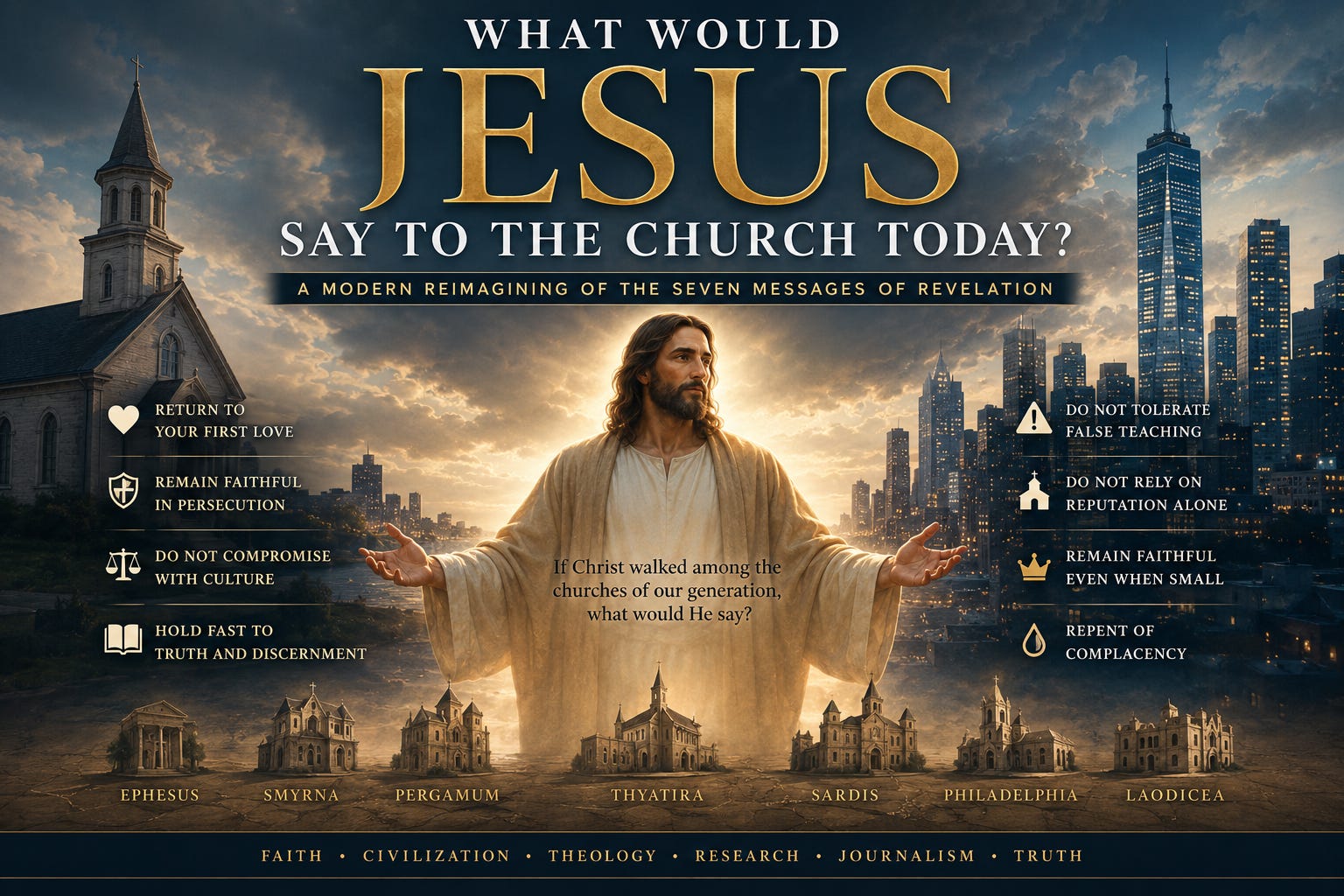
If Christ Walked Among the Churches of the Twenty-First Century, What Might He Say?
Nearly two thousand years ago, the risen Christ delivered seven remarkable messages to seven churches in Asia Minor. Recorded in the opening chapters of Revelation, these messages were directed to real congregations facing real challenges. Yet they were never intended only for the first century. The warnings, encouragements, and promises continue to echo through history.
Every generation reads the letters to Ephesus, Smyrna, Pergamum, Thyatira, Sardis, Philadelphia, and Laodicea and inevitably asks a question:
What would Jesus say to us today?
The modern Church lives in a vastly different world. We possess technology beyond imagination. We communicate instantly across continents. We have access to more biblical resources than any generation before us. Churches gather in cathedrals, storefronts, homes, stadiums, and online platforms.
Yet despite our advancements, many of the spiritual challenges remain remarkably familiar.
If Christ were to address the Church of the twenty-first century, His words might sound surprisingly similar to those spoken long ago.
To the Church That Has Forgotten Its First Love
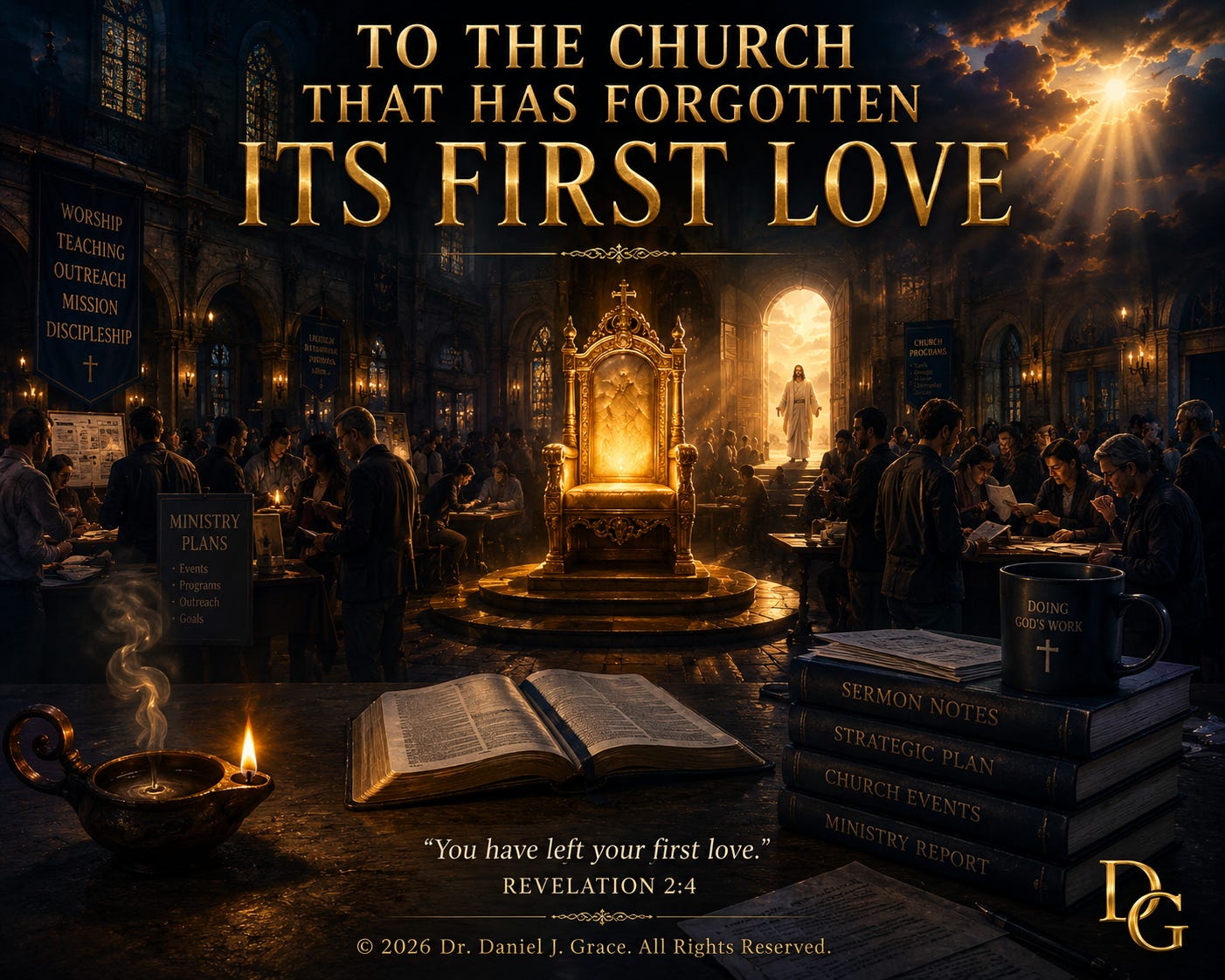
“I know your ministries. I know your conferences. I know your podcasts, books, websites, and social media platforms. I know your theological knowledge and your apologetic arguments.
But I have this against you:
You have become busy with My work while neglecting Me.
You know about Me, but you spend little time with Me.
You defend doctrine yet struggle to display love.
Return to your first love.”
Many churches today excel in organization, administration, and programming. Yet activity is not the same as intimacy with God.
The danger facing modern Christianity is not always opposition. Sometimes it is distraction.
A church can be successful and still drift from the passion that once defined it.
To the Church Facing Hostility
“I know your struggles.
I know the ridicule you face.
I know the pressure to remain silent.
I know the cost of standing for truth.
Do not be afraid.
Remain faithful.”
Around the world, millions of Christians face persecution. In some nations believers are imprisoned, attacked, or killed.
In other places the pressure is more subtle. Christians encounter social hostility, professional disadvantages, and cultural marginalization.
The message remains unchanged.
Faithfulness matters more than popularity.
Truth matters more than acceptance.
Christ still calls His followers to courage.
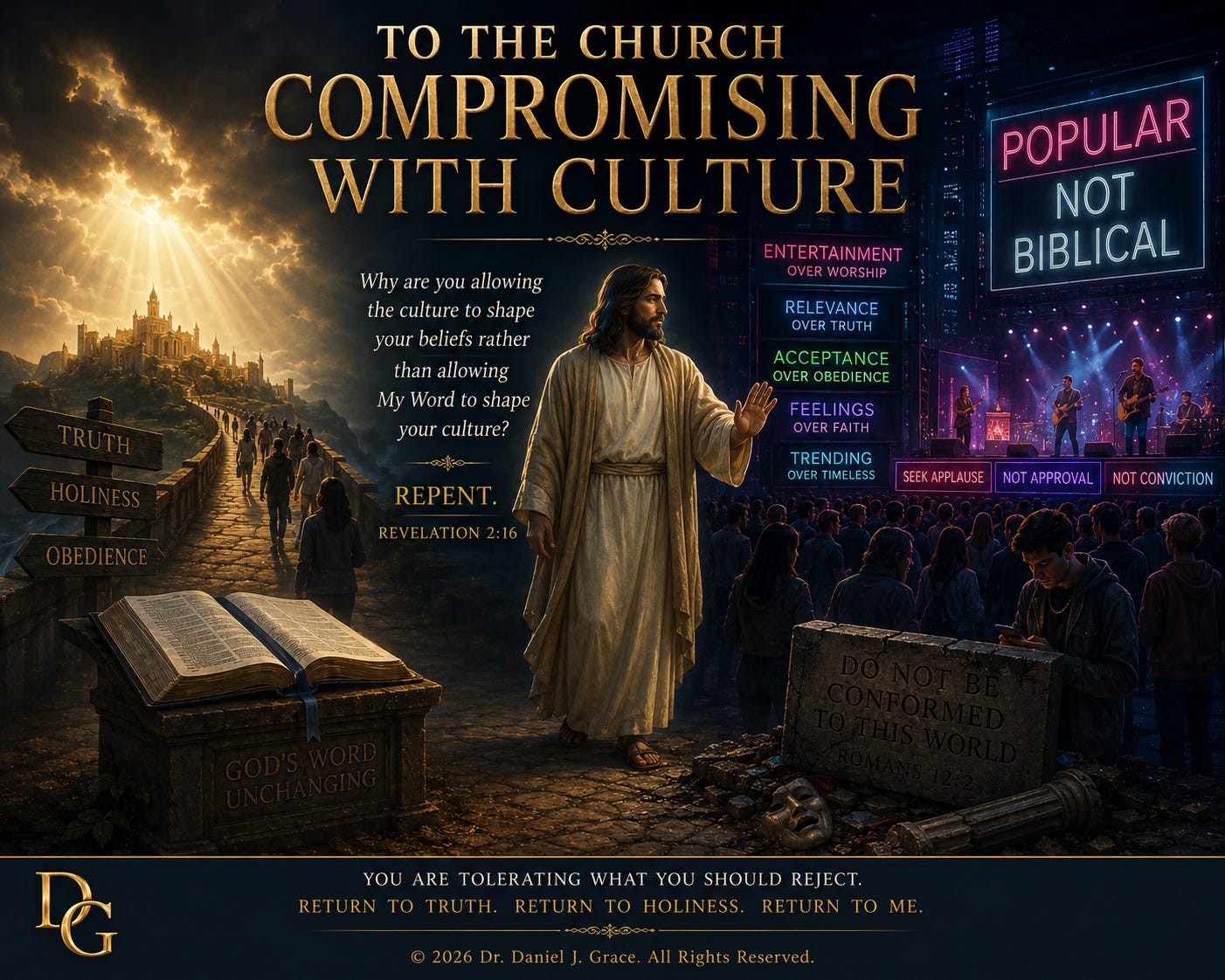
To the Church Compromising with Culture
“I know where you live.
I know the pressure you face.
I know the desire to be accepted.
But why are you allowing the culture to shape your beliefs rather than allowing My Word to shape your culture?
You seek approval more than holiness.
You seek relevance more than truth.
Repent.”
This may be one of the most urgent messages for the modern Church.
Many believers fear being viewed as outdated or unpopular. As a result, some churches gradually adjust their teachings to align with cultural trends.
History demonstrates that whenever the Church attempts to mirror the world, it loses the very message the world needs.
The Church changes society not by becoming like it but by remaining distinct from it.
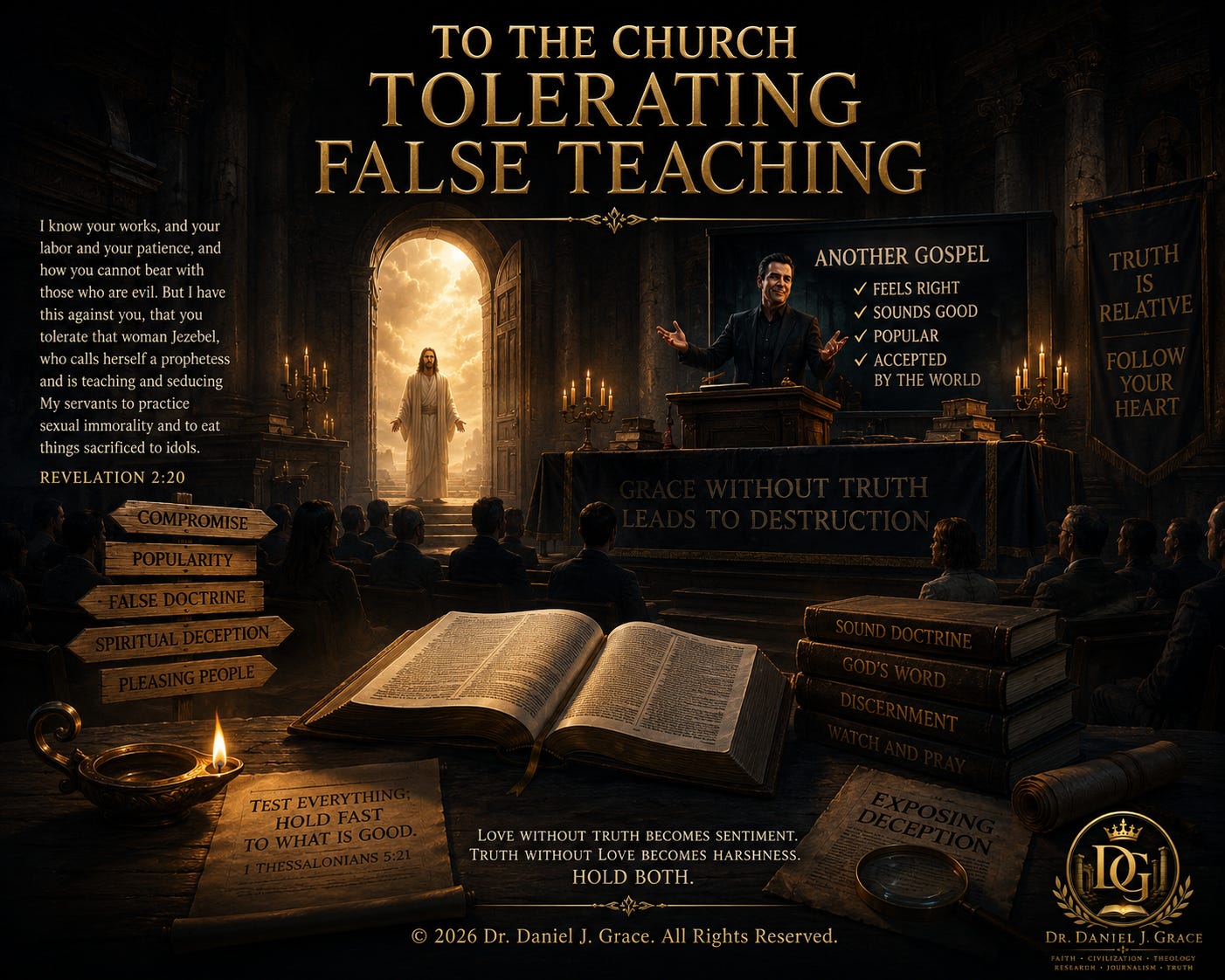
To the Church Tolerating False Teaching
“You are compassionate.
You are welcoming.
You desire unity.
But why do you tolerate teachings that lead people away from truth?
Love without truth becomes sentiment.
Truth without love becomes harshness.
You must hold both.”
One of the greatest challenges facing modern Christianity is discernment.
The internet has given everyone a platform.
False teachers can reach millions.
Spiritual confusion spreads rapidly.
Not every popular voice represents biblical truth.
Christ calls His people to test teachings carefully, measure them against Scripture, and remain rooted in sound doctrine.
To the Church Living on Reputation
“You have a reputation for being alive.
People admire your buildings.
They praise your music.
They celebrate your influence.
But beneath the surface, many hearts are spiritually asleep.
Wake up.”
Perhaps no warning feels more relevant today.
Modern churches often measure success through attendance, finances, facilities, and online engagement.
Yet heaven’s evaluation differs dramatically.
A congregation may appear thriving while experiencing spiritual decline.
Likewise, a small and unnoticed church may be accomplishing extraordinary things in God’s sight.
Christ examines the heart, not the statistics.
To the Church Remaining Faithful
“I know your weakness.
I know your limitations.
I know your small numbers.
But you have remained faithful.
You have not denied My name.
Continue.”
Many believers feel insignificant.
They compare themselves with larger ministries and more visible leaders.
Yet Scripture repeatedly demonstrates that God delights in using ordinary people.
Faithfulness matters more than fame.
Obedience matters more than influence.
The Church in Philadelphia reminds modern believers that God often works through those whom the world overlooks.
To the Comfortable Church
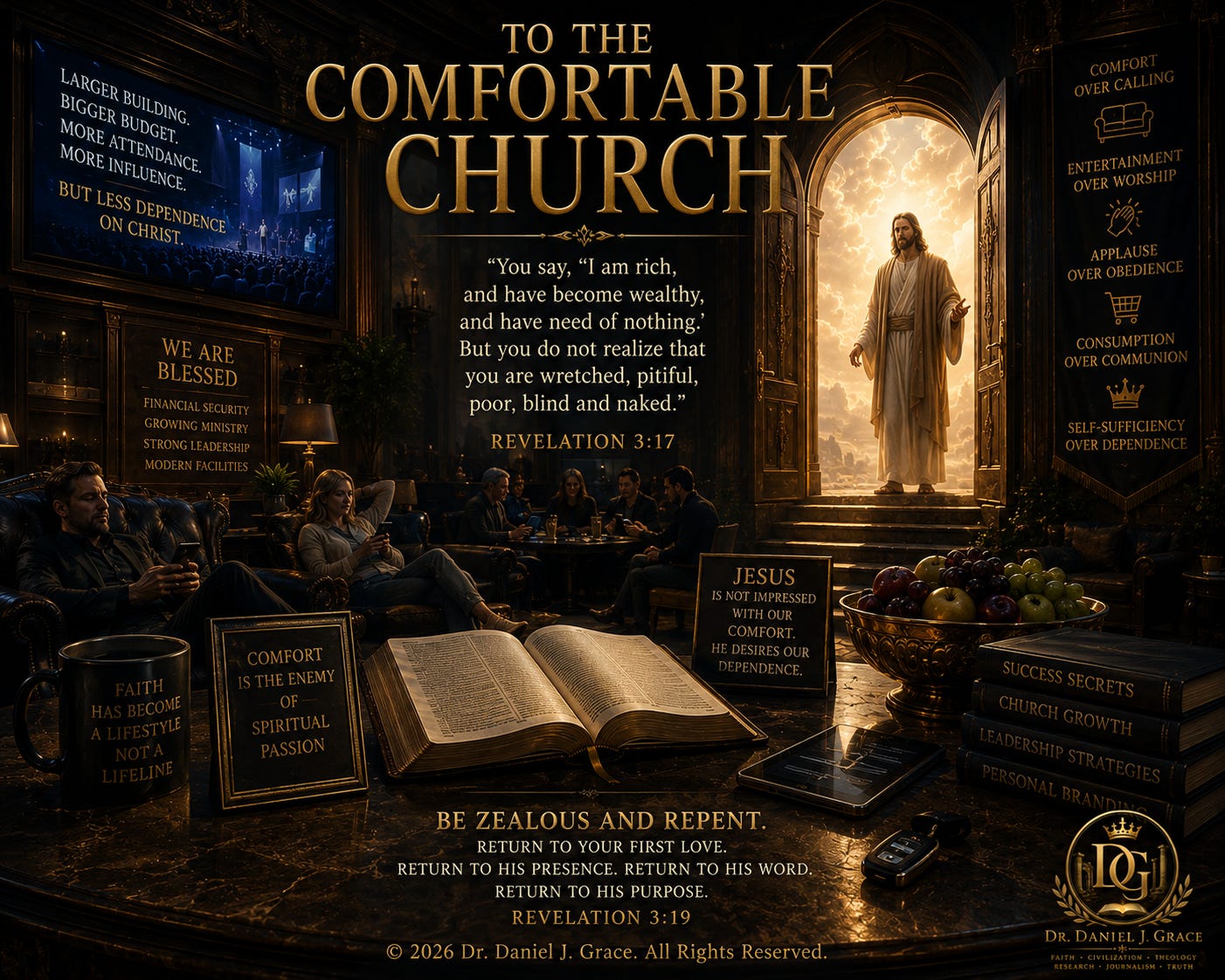
“You say, ‘We are rich.’
You say, ‘We need nothing.’
You trust your wealth, technology, education, and achievements.
But do you realize how dependent you truly are?
You have become comfortable.
You have become self-sufficient.
You have forgotten your need for Me.”
This may be the defining warning for Western Christianity.
Never before have believers possessed such abundance.
Yet abundance often creates spiritual complacency.
The greatest threat to the Church is not always persecution.
Sometimes it is comfort.
History reveals a troubling pattern: when believers become comfortable, spiritual passion often declines.
The call of Christ remains:
“Be zealous and repent.”
What Would Jesus Say About Technology?
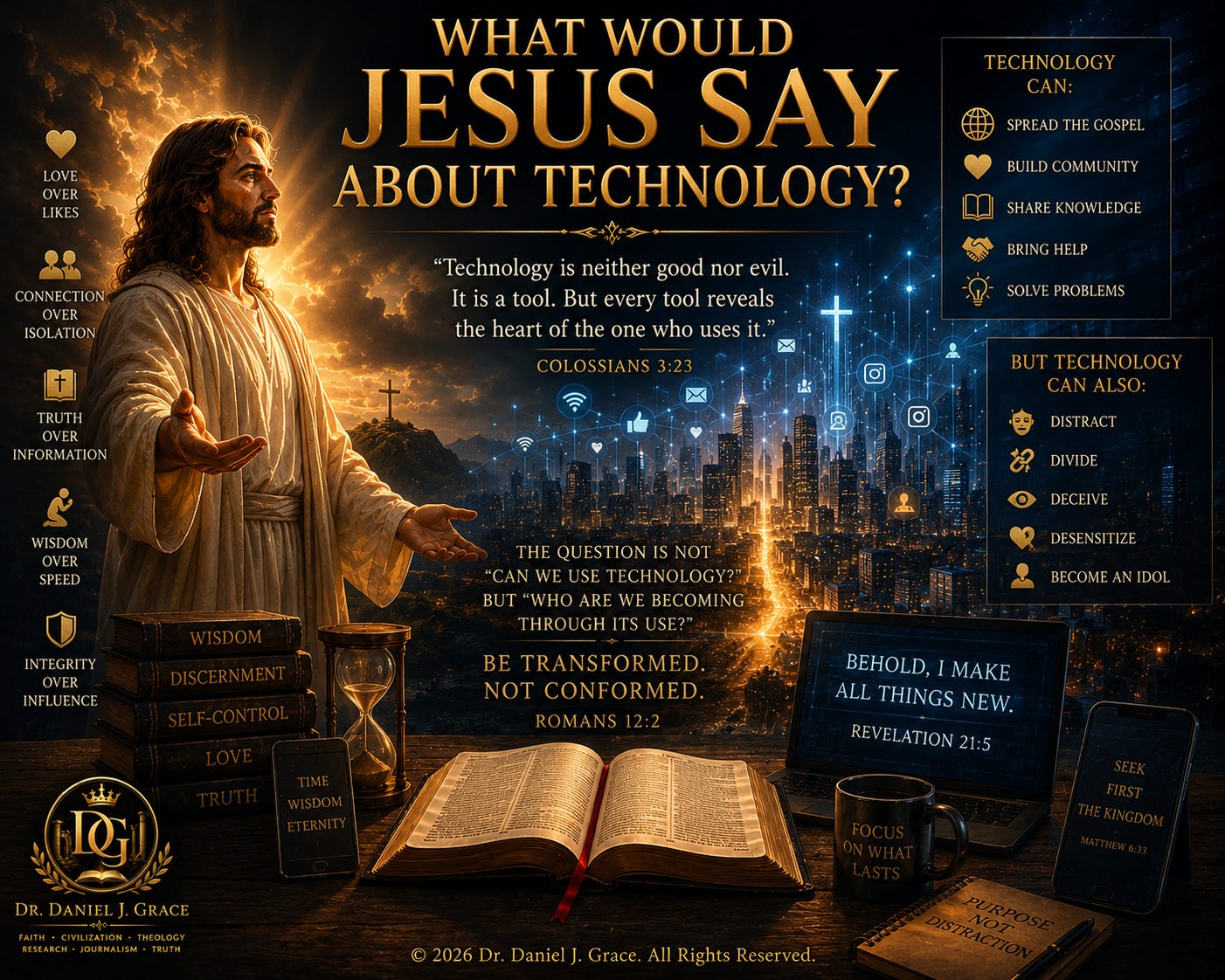
Perhaps Christ would not condemn technology itself.
After all, every generation uses available tools to communicate truth.
The issue is not technology.
The issue is whether technology serves the Gospel or replaces genuine spiritual life.
He might ask:
“Why do you spend hours scrolling but minutes praying?
Why do you seek validation from strangers rather than identity in Me?
Why are you connected to the world but disconnected from one another?”
Technology can spread the Gospel.
But it can also distract from it.
The challenge is learning to use digital tools without becoming controlled by them.
What Would Jesus Say About Division?
The modern Church often appears fragmented.
Denominations argue.
Believers attack one another online.
Theological disagreements sometimes become personal battles.
Perhaps Christ would ask:
“Why do you fight your brothers while the world remains lost?
Why do you magnify secondary issues while neglecting the mission I gave you?
Why do you speak about unity while practicing division?”
Truth remains essential.
But truth should be communicated with humility, grace, and love.
What Would Jesus Say About the Future?
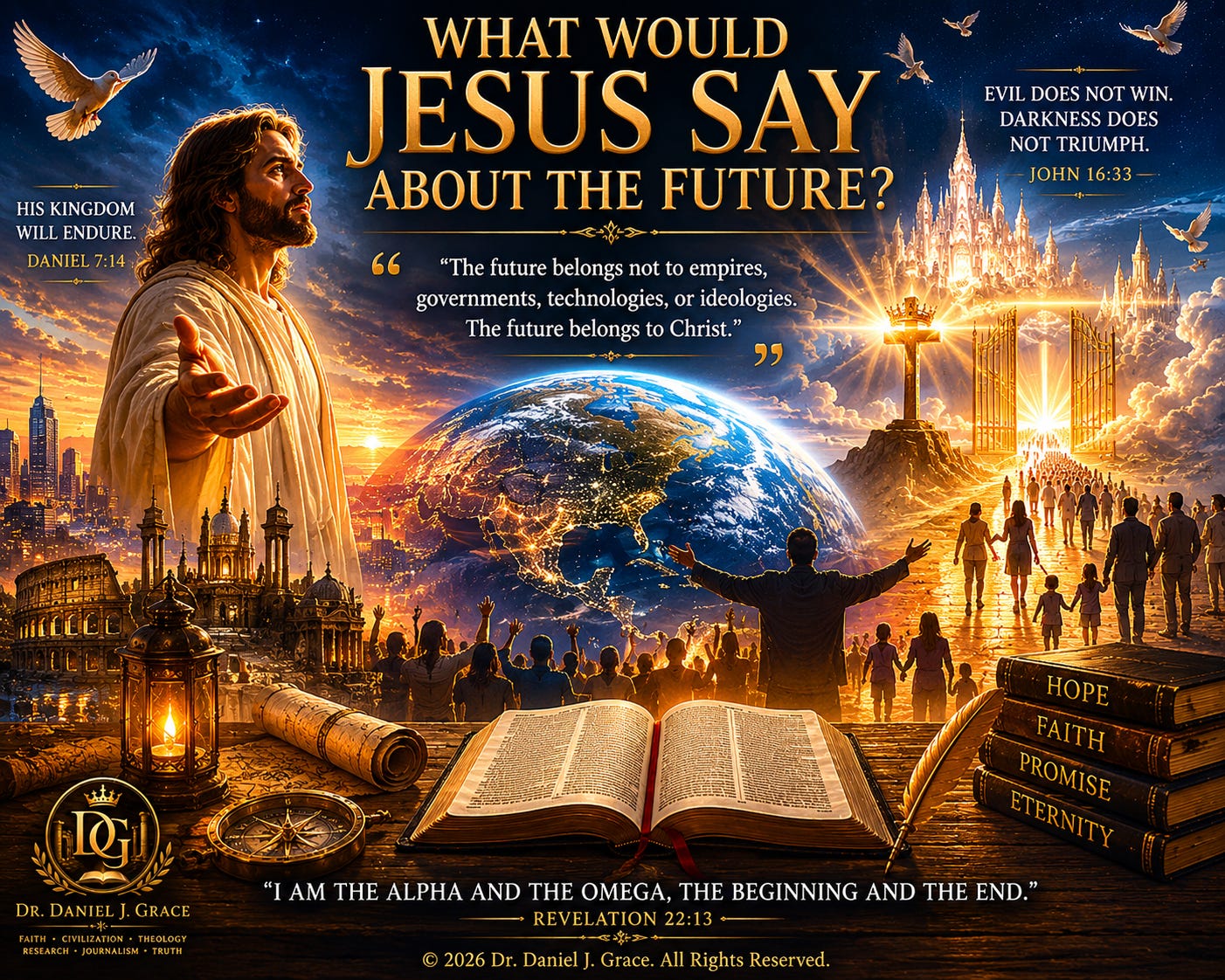
The book of Revelation ultimately points beyond warnings.
It points toward hope.
Christ remains Lord.
History remains under His authority.
Evil does not win.
Darkness does not triumph.
The Lamb who was slain will reign forever.
The future belongs not to empires, governments, technologies, or ideologies.
The future belongs to Christ.
The seven messages of Revelation continue to speak with remarkable clarity to the modern Church.
The names of the cities have changed.
The technologies have changed.
The cultures have changed.
Human nature has not.
The temptations facing Ephesus, Smyrna, Pergamum, Thyatira, Sardis, Philadelphia, and Laodicea still confront believers today.
The question is not whether Christ is speaking.
The question is whether we are listening.
If Jesus walked among the churches of our generation, He would likely offer both encouragement and correction.
He would call us back to love, faithfulness, courage, discernment, humility, and dependence upon Him.
And as He did in the first century, He would conclude with the same invitation:
“He who has an ear, let him hear what the Spirit says to the churches.”
Dr. Daniel J. Grace
Research • Journalism • Theology
© 2026 Dr. Daniel J. Grace. All Rights Reserved.