
The Geography and Historical Development of the Seven Churches of Revelation
From Roman Roads to Revelation: How Geography, Commerce, and Apostolic Mission Shaped the Seven Churches of Asia Minor

Introduction
The Seven Churches of Revelation occupy a unique position within Christian history. Located in the Roman province of Asia, in what is now western Turkey, these churches were among the earliest Christian communities established outside Judea. Their appearance in the opening chapters of Revelation was not accidental. Each city occupied a strategic geographic, commercial, political, and religious position within the Roman Empire. Together they formed a network of influential urban centres through which Christianity spread across Asia Minor and eventually throughout the Mediterranean world.
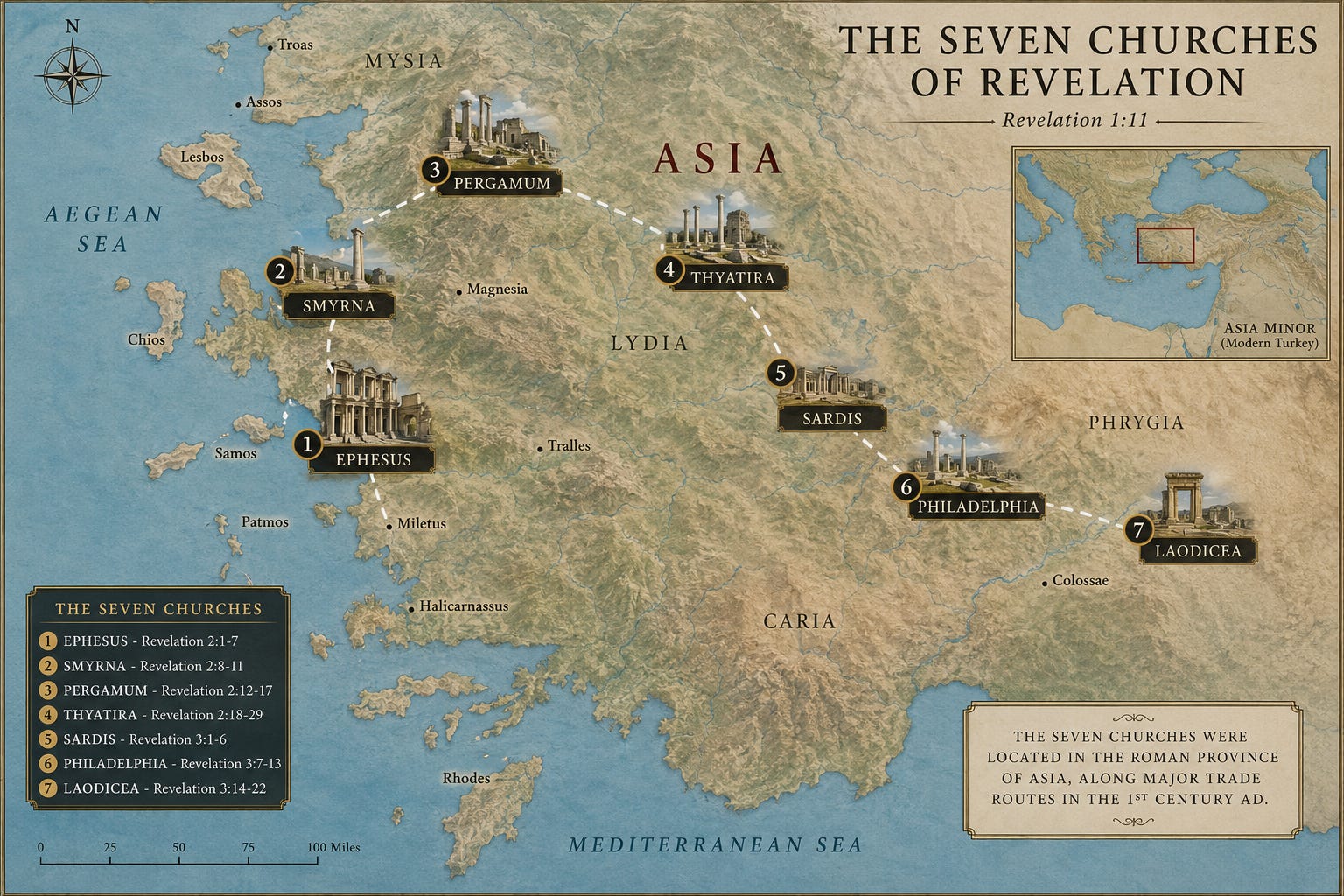
Understanding why these churches emerged requires examination of geography, trade routes, Roman administration, apostolic ministry, and the social conditions of the first century. The Seven Churches were not isolated congregations but interconnected communities situated along major roads linking the interior of Asia Minor with the Aegean coast.
The Roman Province of Asia
During the first century AD, western Asia Minor formed the Roman province of Asia. This region was among the wealthiest territories within the empire. Fertile valleys, prosperous ports, extensive trade routes, and thriving urban centres created ideal conditions for cultural exchange and economic growth.
The cities later addressed in Revelation were positioned along a circular postal route that began at Ephesus, continued northward and eastward, then turned southward again. This route allowed communication, commerce, and administration to flow efficiently throughout the province.
The seven cities were:
Ephesus
Smyrna
Pergamum
Thyatira
Sardis
Philadelphia
Laodicea
These cities represented major population centres and strategic locations for spreading Christian teaching.
Why Christianity Spread Rapidly in Asia Minor
Several factors contributed to the rapid growth of Christianity in western Asia Minor.
Roman Roads
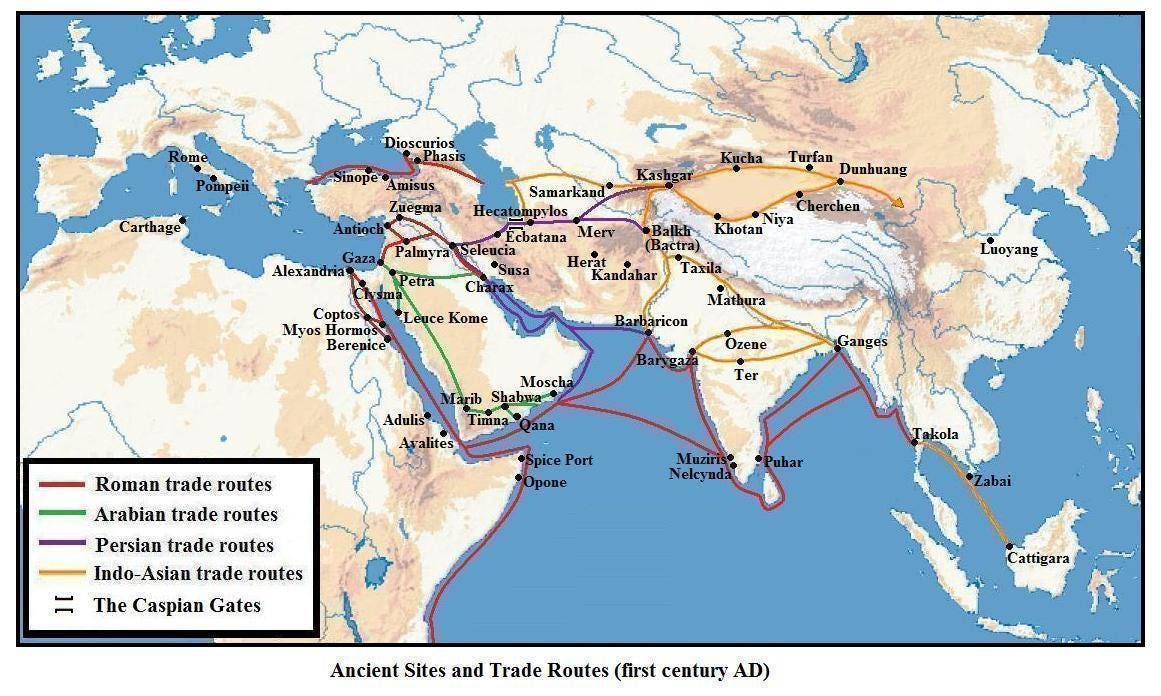
The Roman Empire developed an extensive network of roads connecting major cities. Missionaries, merchants, travellers, and government officials used these routes daily. Christianity benefited enormously from this infrastructure.
Common Language
Greek functioned as the dominant language throughout the eastern empire. Apostolic preaching could therefore reach diverse populations without constant translation.
Jewish Diaspora Communities
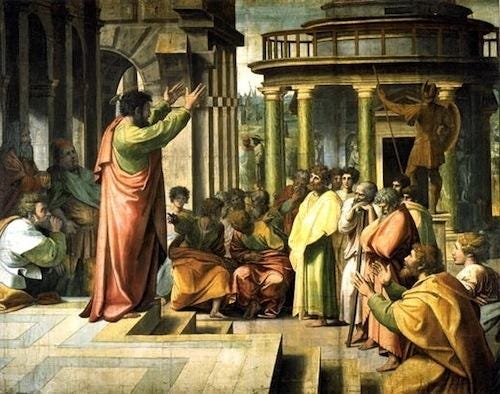
Many cities contained Jewish synagogues. Apostles such as Paul frequently began preaching within these communities before expanding their ministry to Gentiles.
Commercial Activity
Merchants travelled constantly between cities and regions. New converts often carried Christian teachings with them, helping establish congregations far beyond the original missionary centres.
Relative Peace
The Pax Romana provided stability and security for travel. This allowed Christian missionaries to move throughout the empire more freely than would have been possible during periods of warfare.
Who Founded the Seven Churches?
The New Testament does not explicitly state that Paul personally founded all seven churches. However, his ministry played a crucial role in their development.
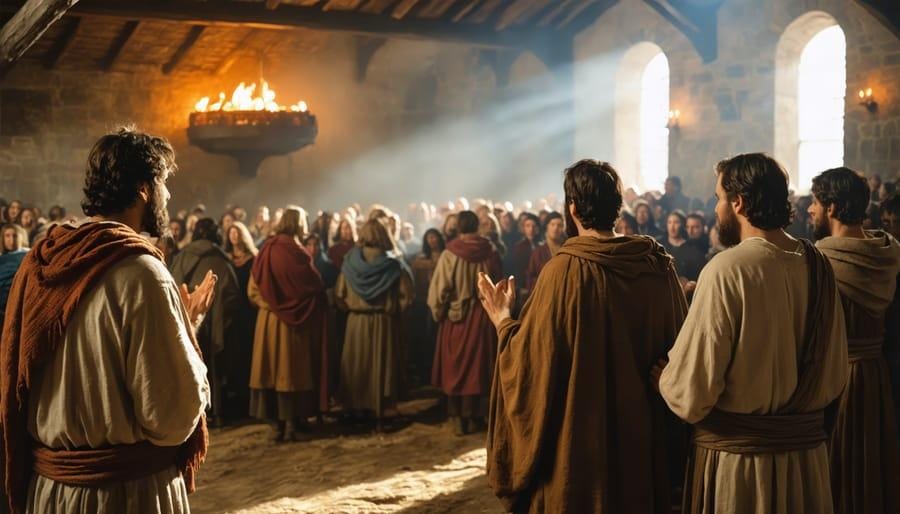
During his extended stay in Ephesus, Paul established a powerful missionary centre. According to Acts 19, the gospel spread throughout the province of Asia from Ephesus.
Many scholars believe that coworkers, disciples, and converts from Paul’s ministry carried Christianity into surrounding cities.
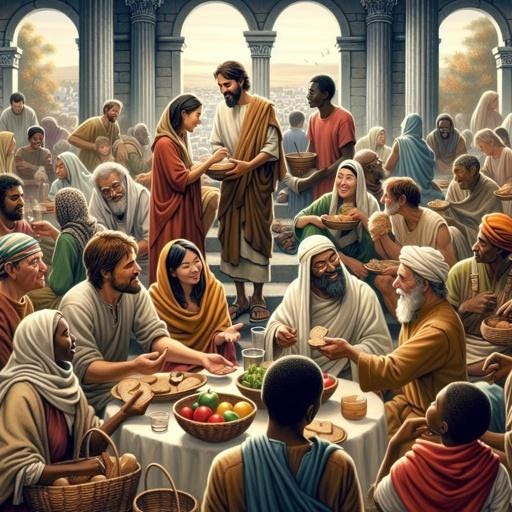
Important figures included:
Paul the Apostle
Timothy
Epaphras
Tychicus
Apollos
Priscilla and Aquila
These individuals contributed to the establishment and strengthening of Christian communities throughout the region.
Ephesus: Gateway to Asia
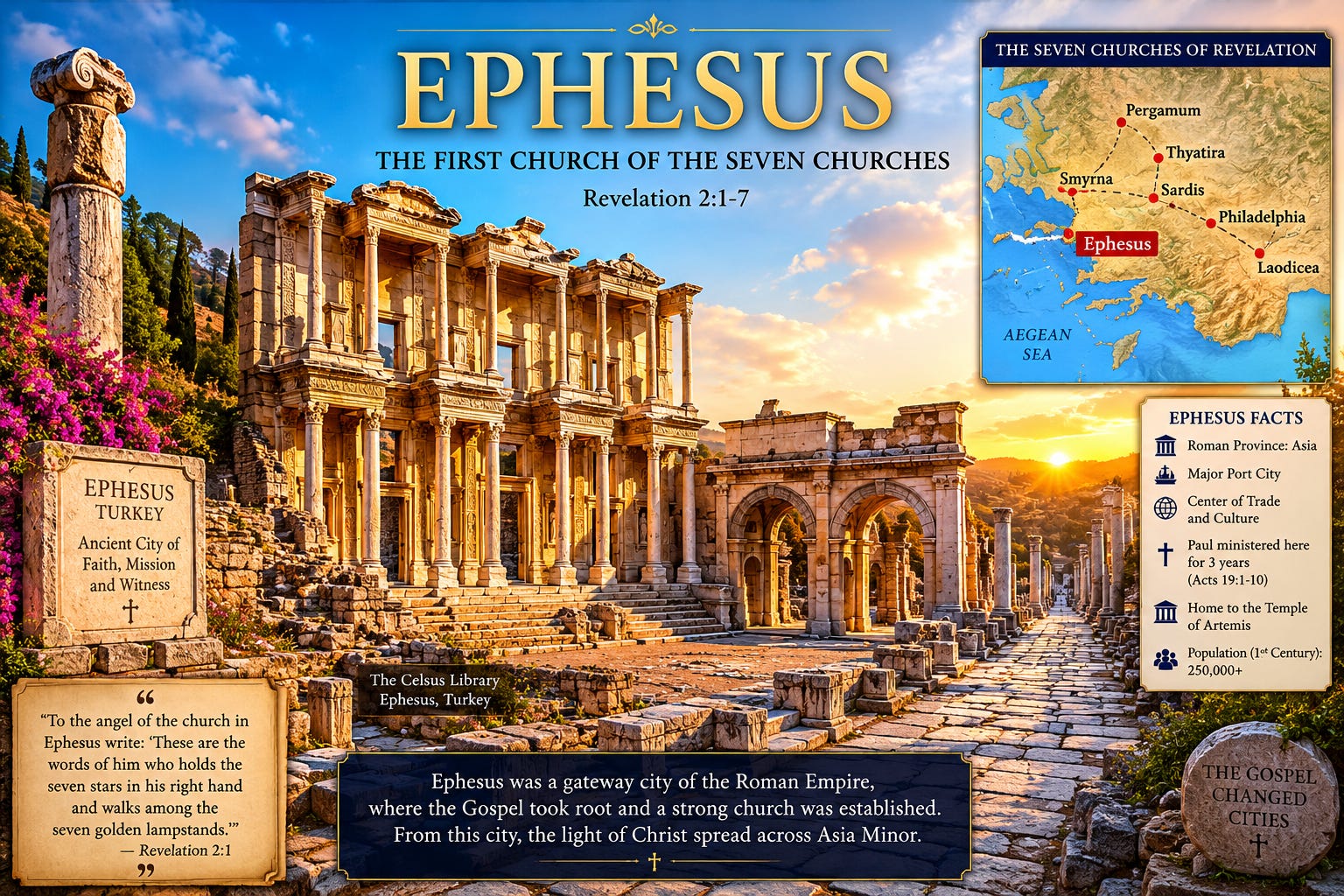
Ephesus served as the principal city of Roman Asia. Its harbour connected Asia Minor with the wider Mediterranean world.
The city contained the famous Temple of Artemis, one of the Seven Wonders of the Ancient World.
Paul spent approximately three years in Ephesus, making it one of his longest missionary bases. From this centre, Christianity spread throughout the province.
Because of its influence and prominence, Ephesus appears first among the Seven Churches.
Smyrna: The Faithful Port City
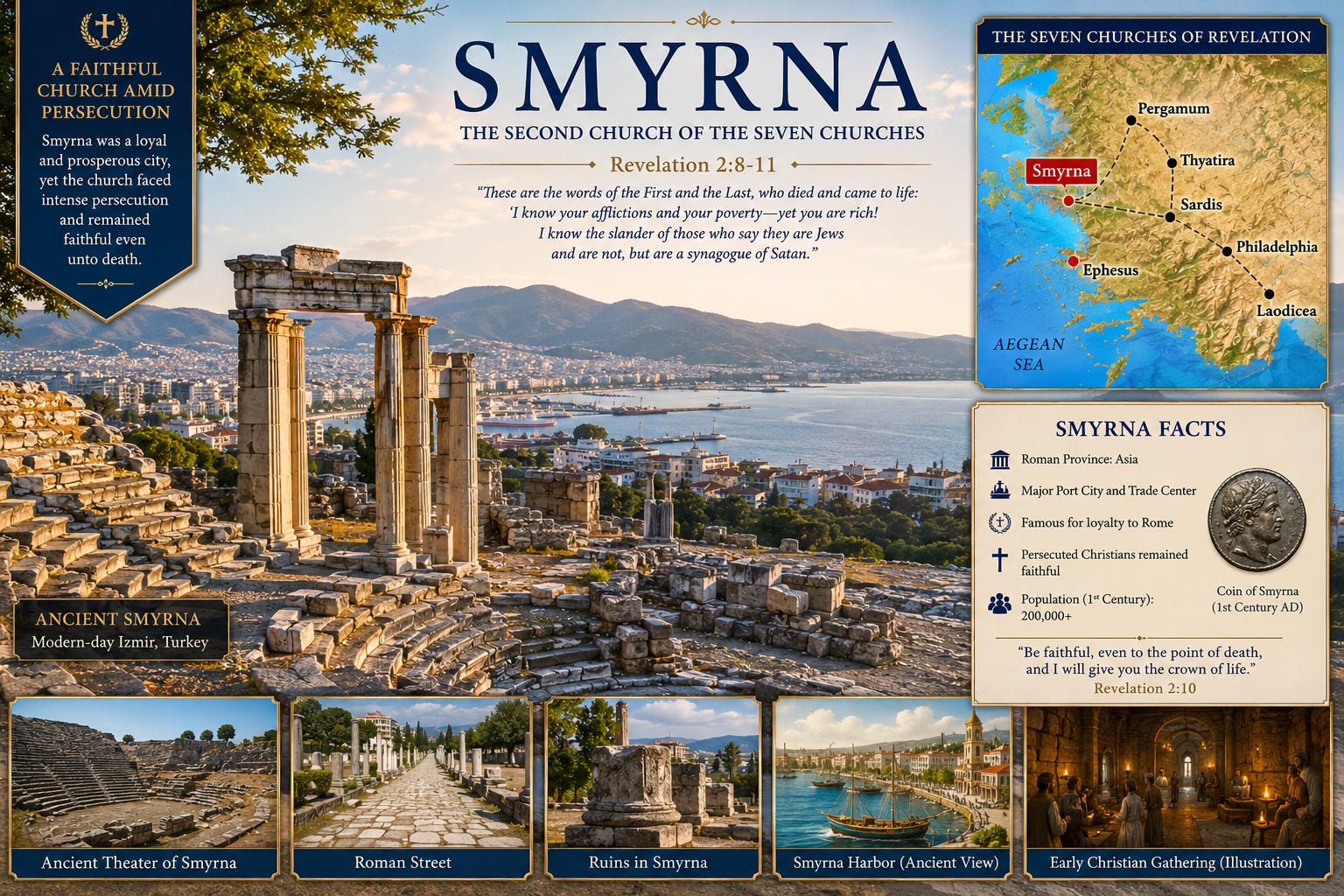
Smyrna was a prosperous coastal city renowned for trade and loyalty to Rome.
Unlike many ancient cities, Smyrna maintained continuous habitation and remained an important commercial centre.
The church there faced persecution yet remained faithful. Revelation commends the believers for their endurance amid suffering.
Pergamum: Seat of Imperial Power
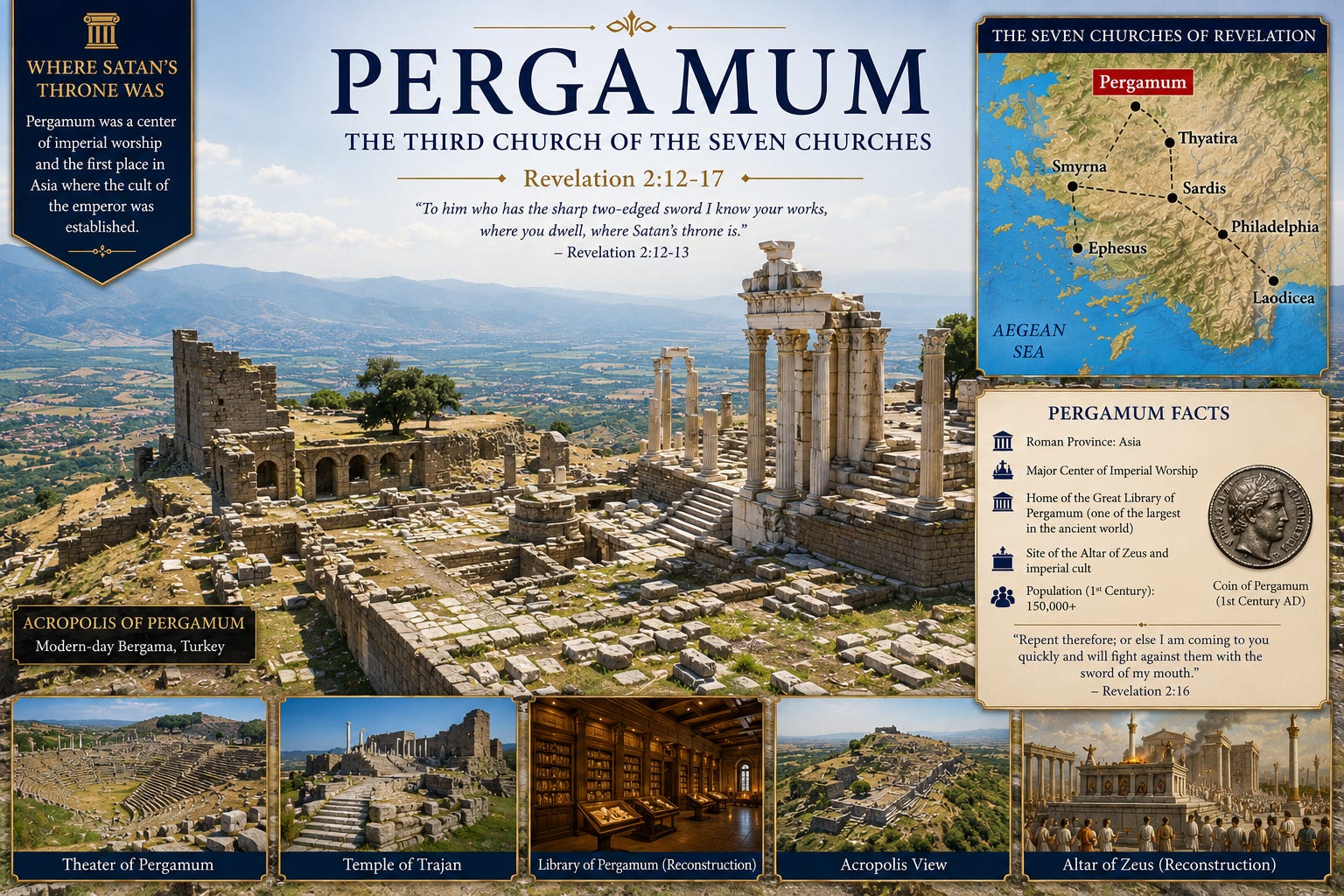
Pergamum functioned as an administrative capital and cultural centre.
The city housed important temples and one of the earliest centres of emperor worship in Asia Minor.
Christians living there encountered significant pressure to participate in imperial religious practices.
Because of these challenges, Pergamum became a symbol of faithful witness amid political and religious opposition.
Thyatira: The City of Trade Guilds
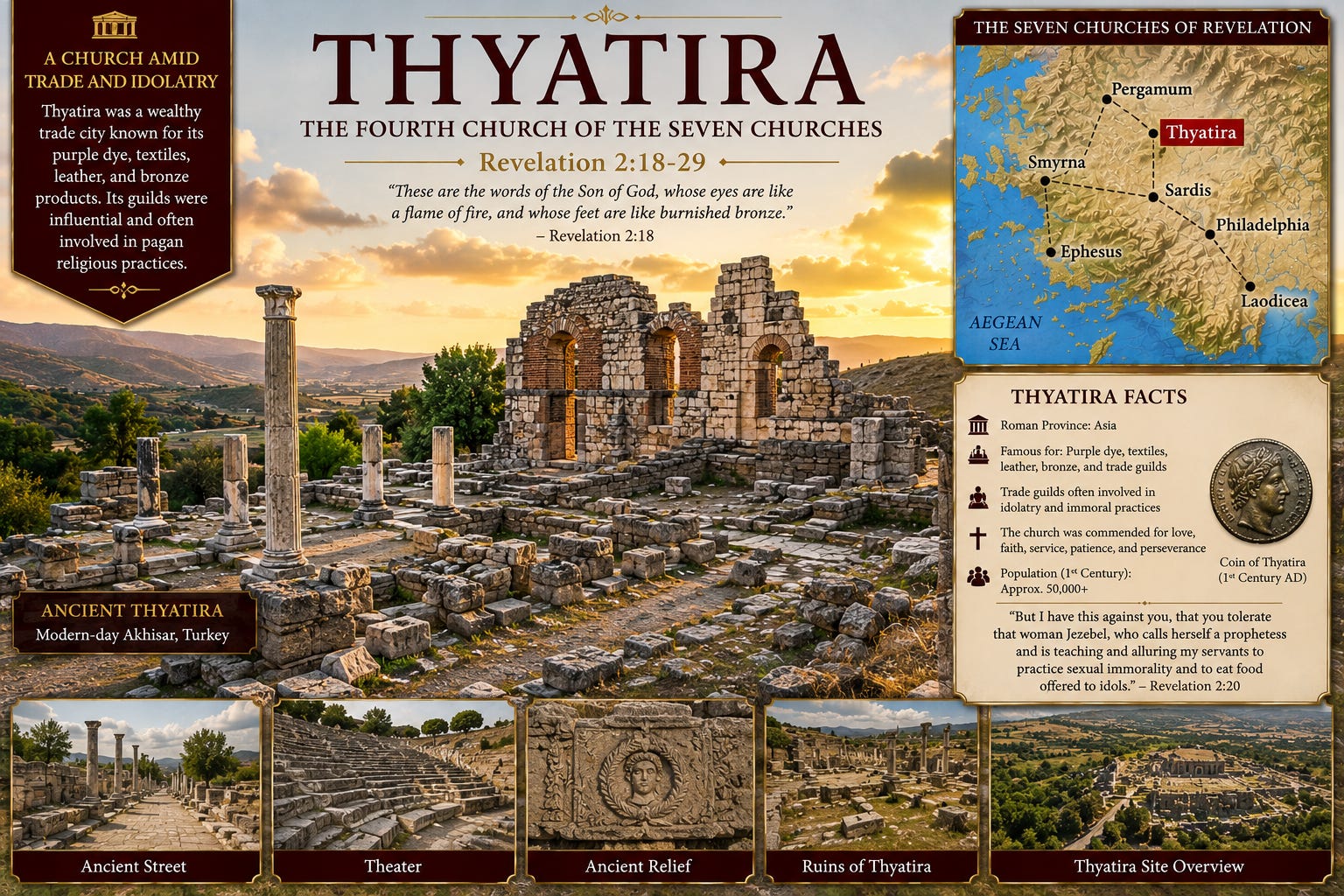
Thyatira was famous for manufacturing and commercial activity.
Trade guilds controlled much of the local economy. Participation often involved religious ceremonies dedicated to patron deities.
Christian converts therefore faced difficult choices between economic opportunity and spiritual conviction.
The church struggled with questions of compromise and faithfulness in a highly commercial environment.
Sardis: Glory of the Past
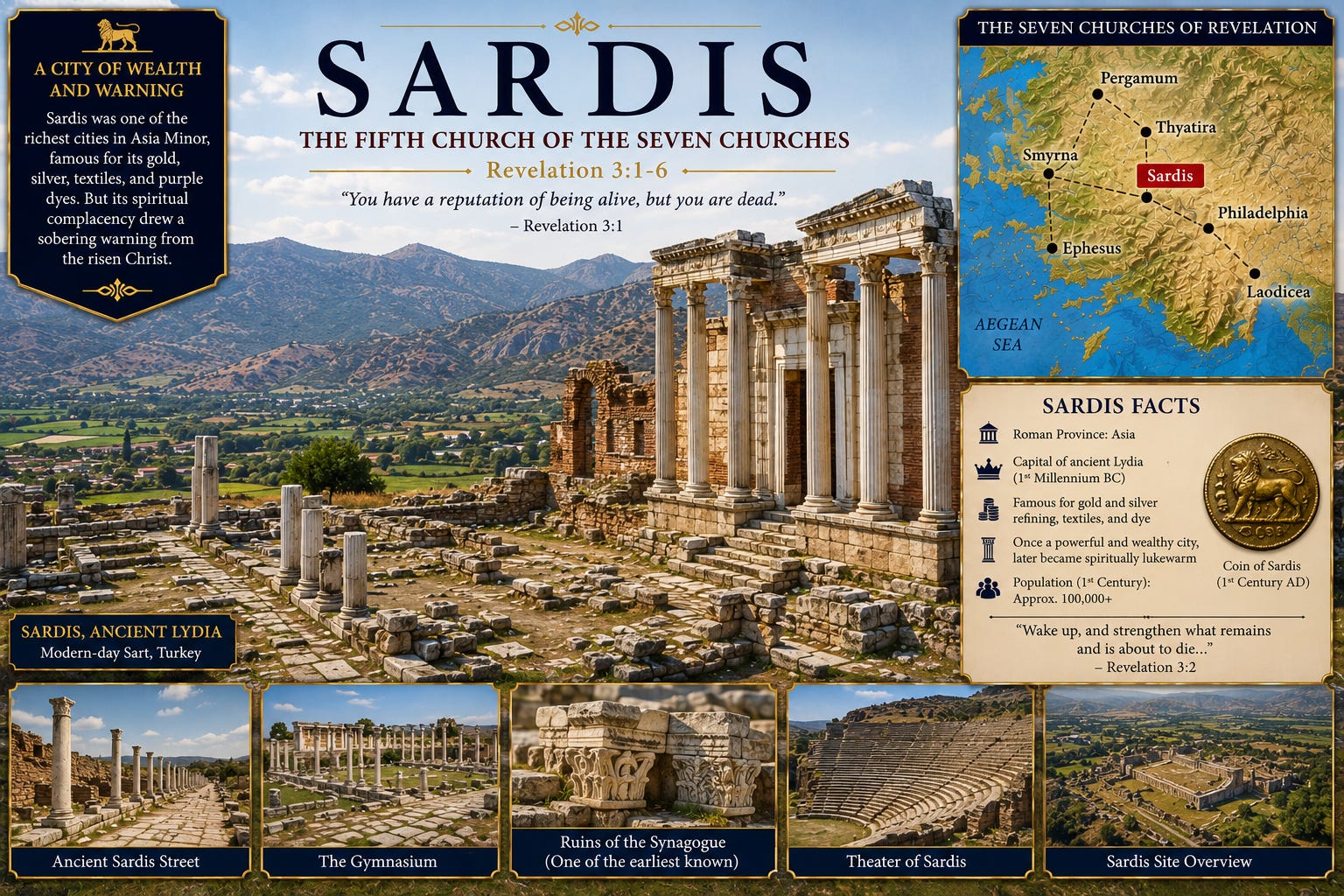
Sardis possessed an illustrious history as the capital of the ancient Kingdom of Lydia.
Although still wealthy during Roman times, it had long since lost much of its former greatness.
The church in Sardis received criticism for appearing spiritually alive while lacking genuine vitality.
Its message remains one of the strongest warnings in Revelation concerning spiritual complacency.
Philadelphia: The Missionary City
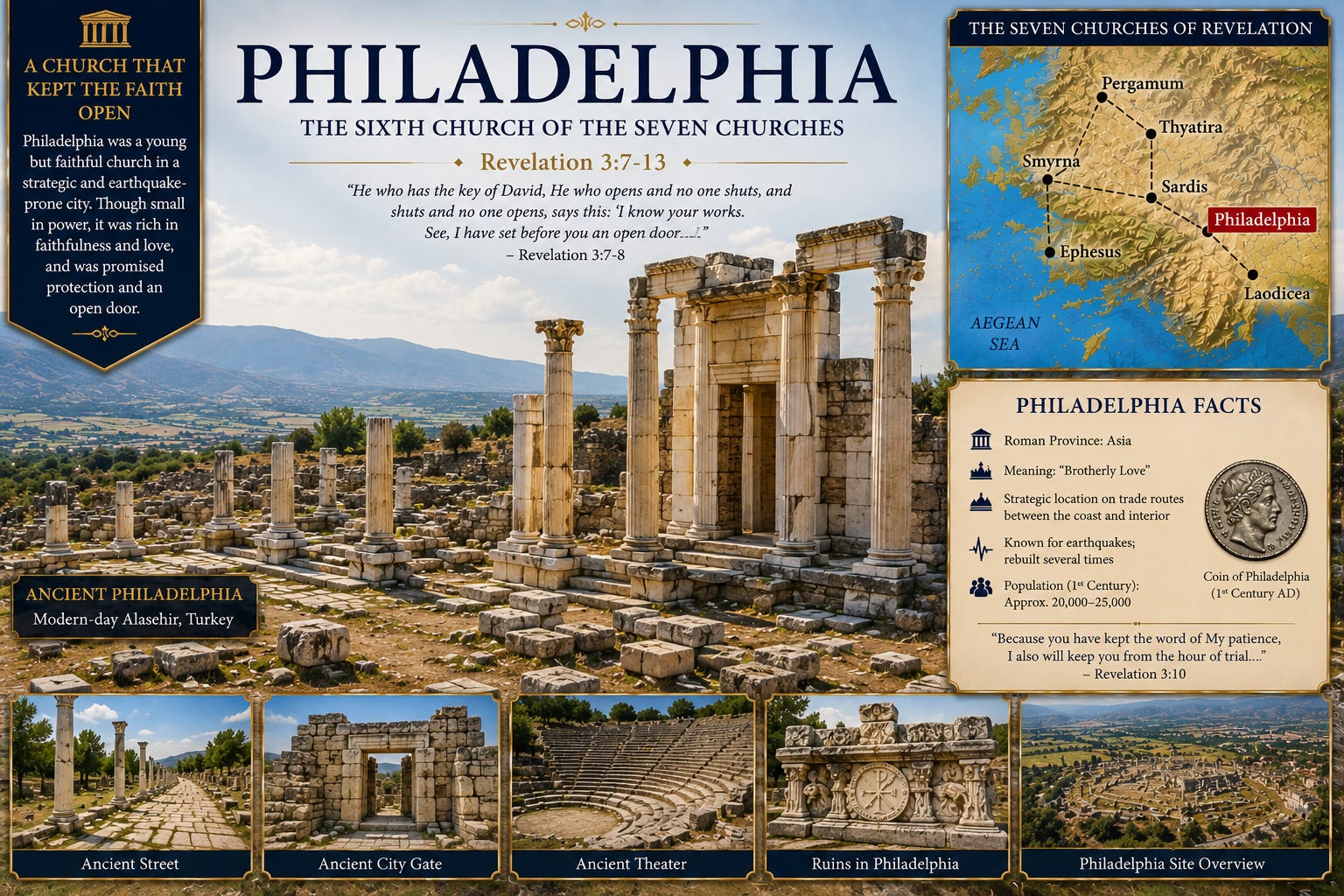
Philadelphia occupied a strategic position along routes leading into the interior of Asia Minor.
Founded partly to spread Greek culture eastward, it became a bridge between regions.
The church received encouragement rather than condemnation. Despite limited strength, believers remained faithful.
Philadelphia became a symbol of perseverance and missionary opportunity.
Laodicea: Wealth and Self-Sufficiency
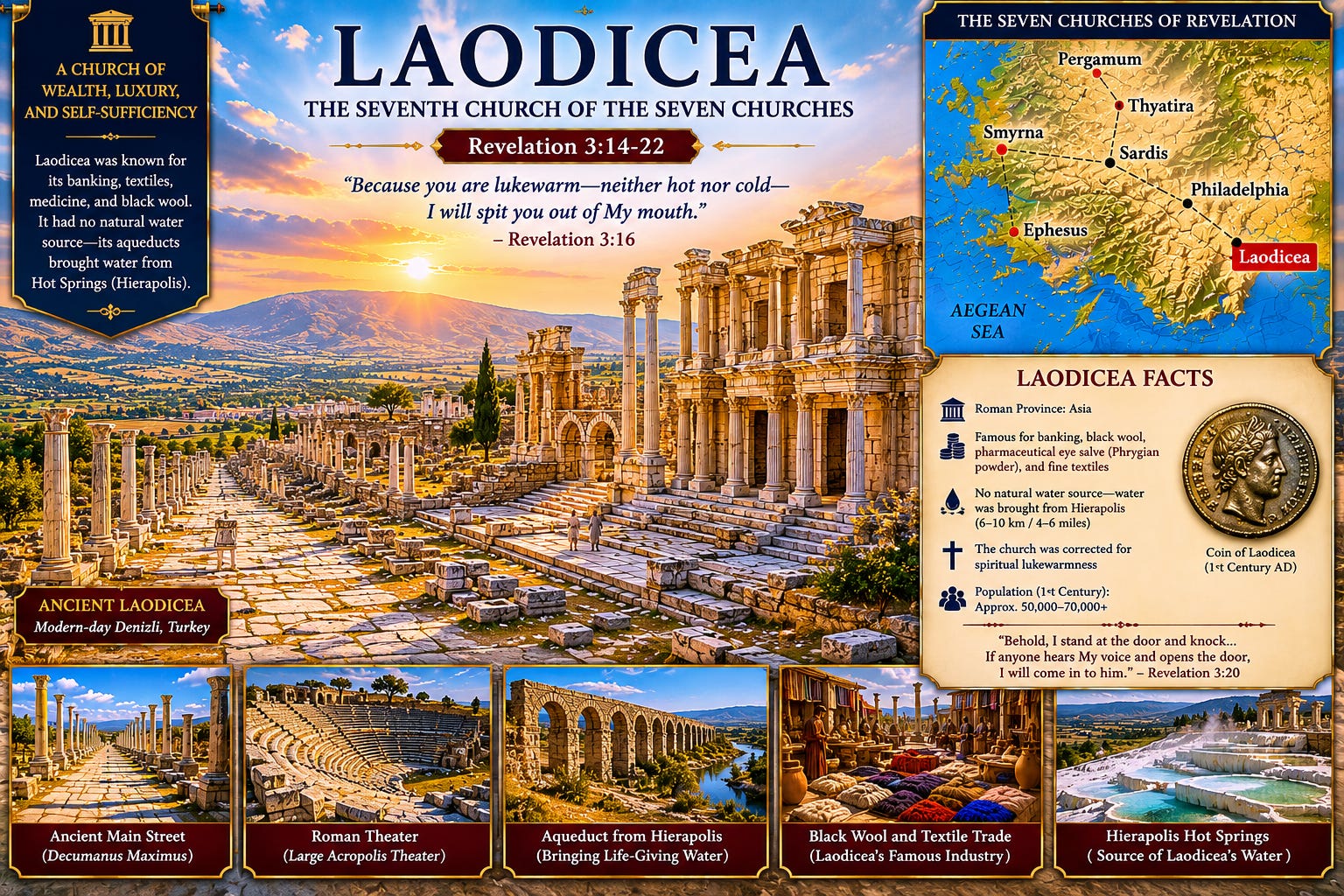
Laodicea was among the richest cities in Asia Minor.
The city became famous for banking, textile production, and medical schools.
Its prosperity influenced the church, leading to the well-known warning against being “lukewarm.”
The message to Laodicea remains one of the most recognised passages in Revelation.
Why These Seven Churches?
Many churches existed throughout Asia Minor, yet Revelation specifically addresses seven.
The number seven frequently symbolizes completeness within biblical literature.
These churches likely represented both actual congregations and a broader picture of the universal church.
Together they illustrated various strengths, weaknesses, challenges, temptations, and spiritual conditions experienced by Christians throughout history.
The Seven Churches of Revelation emerged within some of the most important cities of the Roman Empire. Their locations were strategic, their challenges were real, and their influence extended far beyond their immediate regions.
Situated along major trade routes and connected by Roman infrastructure, these churches became early centres of Christian witness. Through the ministries of apostles, evangelists, merchants, and ordinary believers, Christianity spread across Asia Minor and eventually throughout the world.
The Seven Churches remain significant not merely because of their appearance in Revelation but because they demonstrate how Christianity took root within diverse urban environments, confronting issues of wealth, persecution, compromise, faithfulness, and spiritual renewal. Their story continues to provide insight into the growth of the early church and the enduring challenges faced by Christian communities in every generation.
© 2026 Dr. Daniel James Grace. All rights reserved.
Research • Journalism • Theology