
Anglican Theology – Part 4
How Worship Shaped Anglican Identity and Spirituality

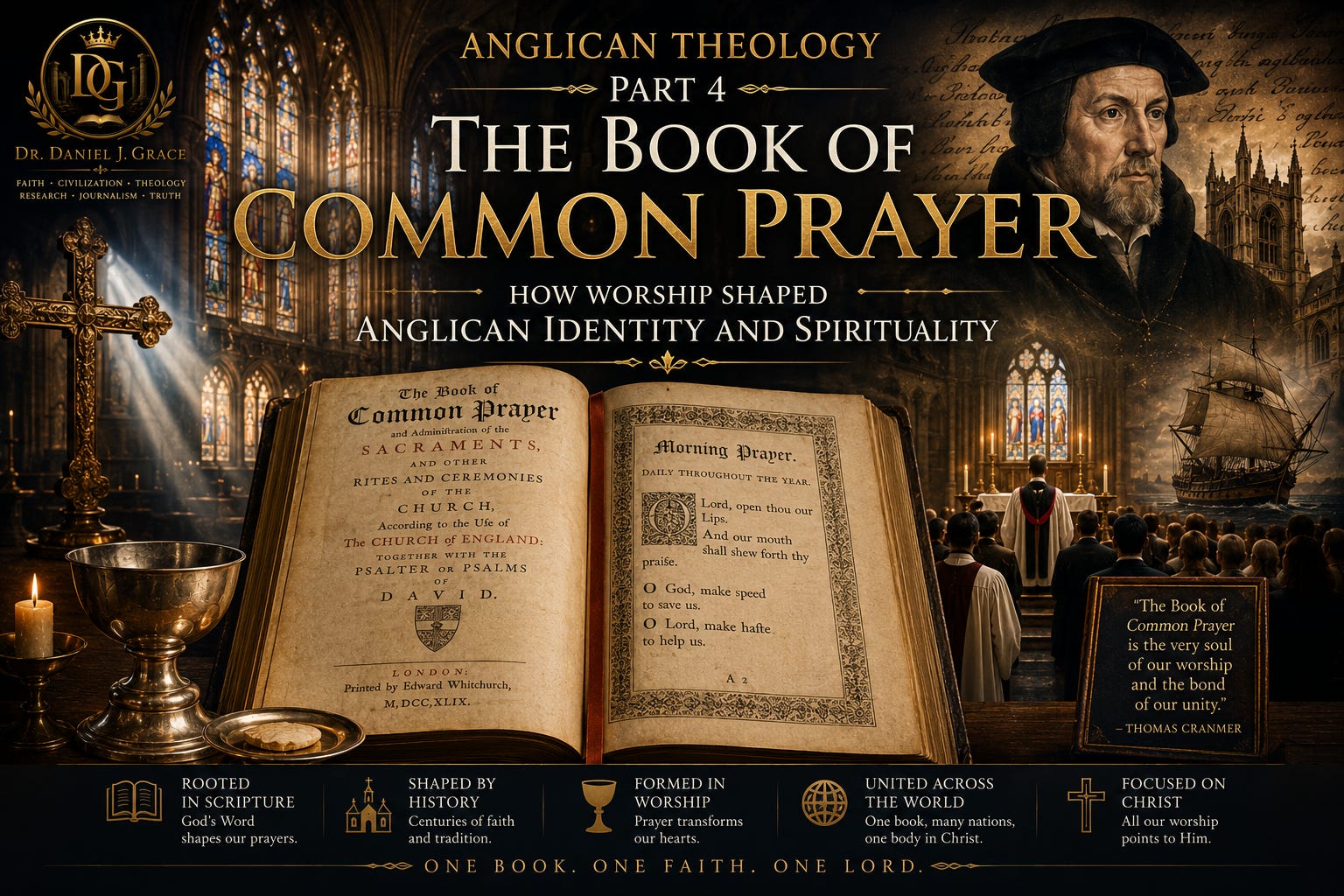
The Book of Common Prayer
Introduction
Few books have shaped Christian worship as profoundly as the Book of Common Prayer. For nearly five centuries, it has influenced Anglican spirituality, theology, worship, language, and personal devotion. It became the spiritual heart of Anglican Christianity, not just a collection of prayers.
Generations of believers have prayed its words in times of joy and sorrow, at baptisms and funerals, in churches and homes, during war and peace. It has united Christians across continents while preserving a distinct Anglican identity rooted in Scripture and historic Christian faith.
To understand Anglican theology, one must understand the Book of Common Prayer.
The World Before the Prayer Book
Before the English Reformation, worship in England was conducted primarily in Latin.
Most ordinary people could not understand the language used in church services.
The clergy performed the liturgy while the congregation largely observed.
Although worship was rich and beautiful, many believers struggled to participate fully.
Reformers increasingly believed worship should be accessible to ordinary Christians.
They wanted believers not merely to watch worship but to participate in it.
This conviction would lead to one of the most significant developments in Christian history.
Thomas Cranmer’s Vision
The central figure behind the Book of Common Prayer was Archbishop Thomas Cranmer.
Thomas Cranmer
Cranmer believed worship should be the following:
Biblical
Understandable
Reverent
Accessible
Spiritually transformative
Rather than creating something entirely new, Cranmer drew from ancient liturgies, mediaeval traditions, Scripture, and early Church worship.
His goal was reform through renewal.
He sought to preserve what was valuable while removing practices he believed obscured the Gospel.
6
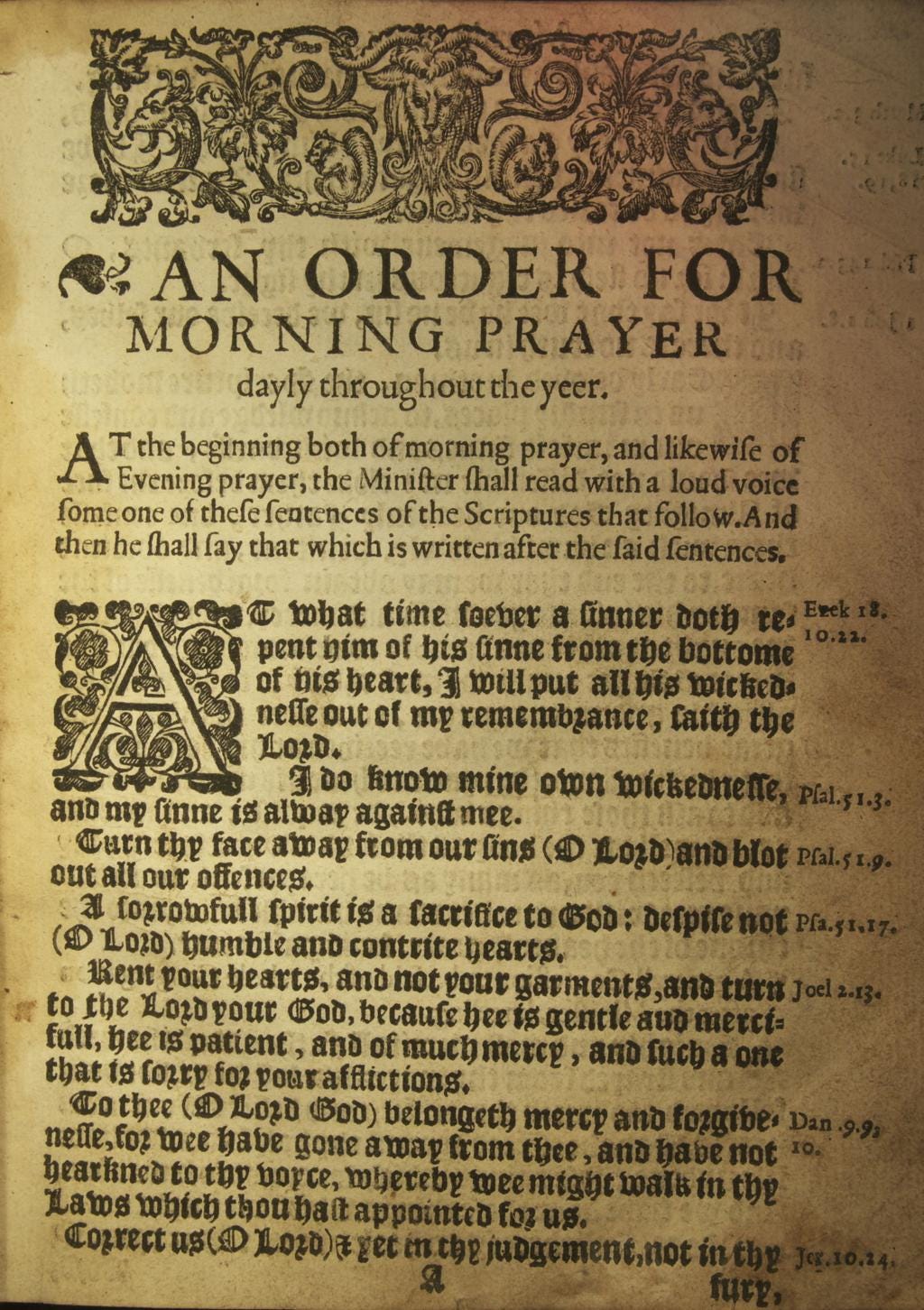
The First Book of Common Prayer (1549)
The first Book of Common Prayer appeared in 1549 during the reign of King Edward VI.
For the first time, worship throughout England was conducted in English.
This was revolutionary.
Ordinary Christians could now hear the following:
Scripture readings
Prayers
Communion services
Marriage ceremonies
Funeral liturgies
in their language.
The Prayer Book unified worship across England and gave the Church a common voice.
Its influence extended far beyond theology.
It helped shape the English language itself.
Many phrases that remain familiar today originated in the Prayer Book.
The Revised Prayer Book (1552)
Cranmer later revised the Prayer Book in 1552.
The revised version reflected stronger Protestant influences.
Certain ceremonies were simplified.
The language emphasised salvation through Christ and the authority of Scripture.
This edition became foundational for later Anglican worship.
Though future revisions would occur, Cranmer’s basic structure endured.
His work remains one of the most influential contributions to Christian liturgy.
The Elizabethan Settlement
When Queen Elizabeth I ascended the throne in 1558, religious tensions divided England.
Elizabeth sought stability.
The prayer book became a key instrument of unity.
The 1559 edition formed part of the Elizabethan Settlement, establishing worship patterns that balanced Protestant theology with continuity from the historic Church.
This helped shape Anglicanism as a “middle way” between extremes.
The Prayer Book became both a theological statement and a practical expression of Anglican identity.
Worship as Formation
One of Cranmer’s greatest insights was understanding that worship shapes belief.
Christians do not learn theology only through sermons.
They learn theology through prayer.
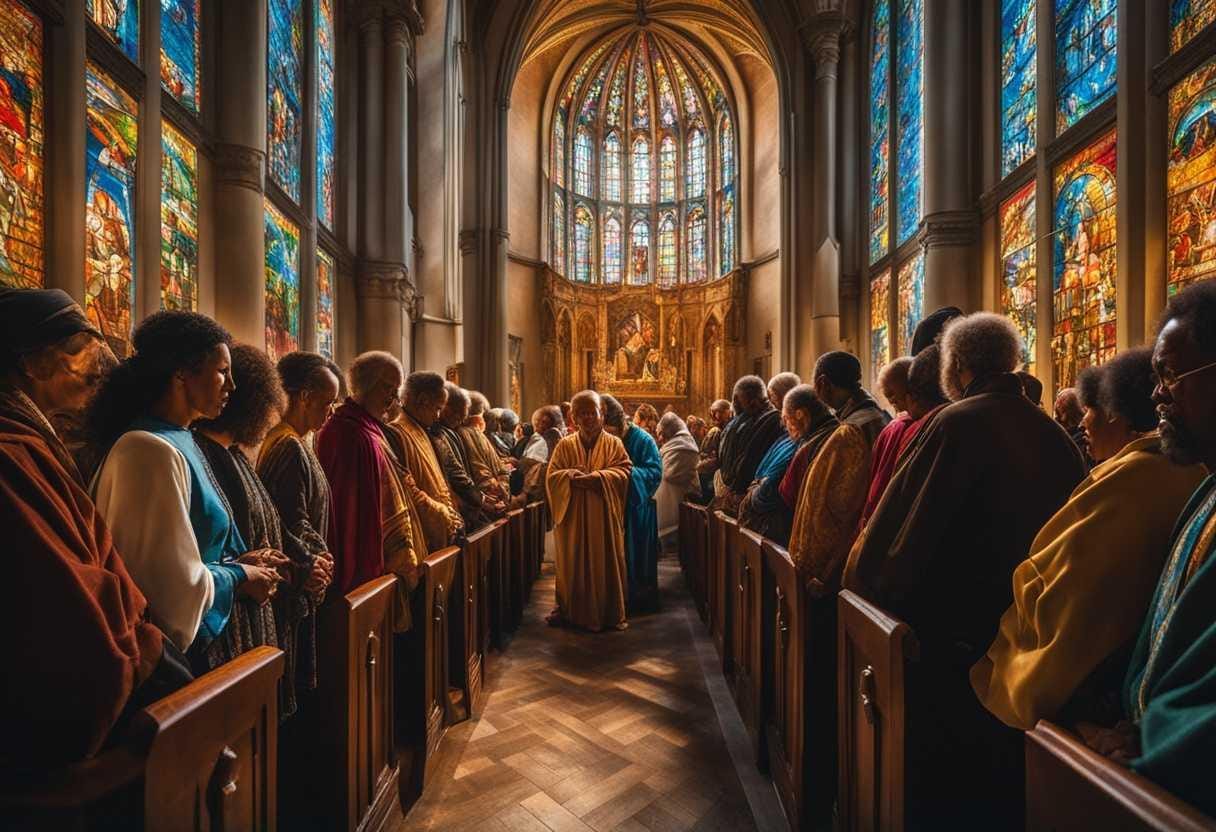
Week after week, believers absorb doctrine through the words they speak and hear.
This principle is sometimes summarised:
“As we pray, so we believe.”
The Prayer Book teaches theology through worship.
Its prayers communicate:
God’s holiness
Human sinfulness
Divine grace
Christ’s redemption
The work of the Holy Spirit
The hope of eternal life
9
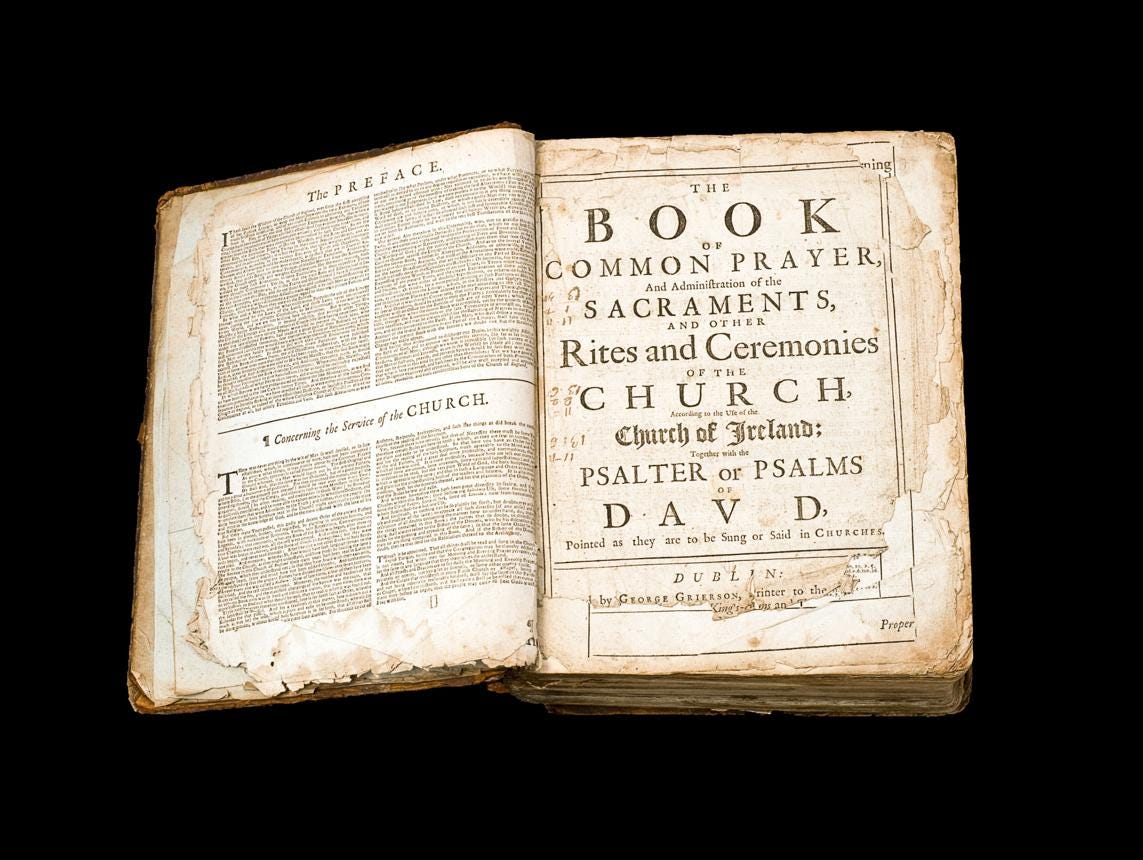
The Daily Office
One of the Prayer Book’s most enduring contributions is the Daily Office.
The service includes:
Morning Prayer
Evening Prayer
The Daily Office organises Scripture readings, prayers, psalms, and worship throughout the day.
Rather than limiting faith to Sunday services, it encourages daily spiritual discipline.
For centuries Anglicans have begun and ended their days with these prayers.
The Daily Office remains one of the treasures of Anglican spirituality.
The Psalms and Scripture
The Prayer Book is saturated with Scripture.
Many of its prayers are drawn directly from biblical language.
The Psalms occupy a central place.
Through regular use of the Prayer Book, believers encounter large portions of Scripture throughout the year.
This reflects the Anglican conviction that Christian worship should be deeply rooted in God’s Word.
The Bible is not an addition to worship.
It is the foundation of worship.
Baptism and Christian Identity
The Prayer Book’s baptism service teaches important Anglican beliefs.
Baptism is understood as the following:
Entry into the Church
Participation in Christ
A sign of God’s grace
The beginning of Christian discipleship
The service emphasises both God’s initiative and the believer’s response.
Its language combines theological depth with pastoral warmth.
For generations, Anglican families have welcomed new believers through these prayers.
Holy Communion
The Communion service occupies a central place within the Prayer Book.
Here Anglicans gather around the Lord’s Table.
The liturgy emphasises:
Thanksgiving
Repentance
Grace
Unity
Christ’s sacrifice
The service carefully balances reverence and accessibility.
It points worshippers toward Christ rather than toward ritual itself.
This balance became one of Anglicanism’s defining characteristics.
Marriage and Family Life
Some of the most famous words in the English language come from the Prayer Book’s marriage service:
“For better, for worse,
for richer, for poorer,
in sickness and in health.”
Millions of couples have spoken these words.
The service presents marriage as a sacred covenant grounded in faithfulness and mutual love.
Its influence extends far beyond Anglican churches.
Even many secular wedding ceremonies reflect prayer book language.
Funerals and Christian Hope
The Prayer Book funeral service offers profound comfort.
Its focus is not despair but resurrection.
The service reminds believers that death is not the end.
Christ’s victory over death provides hope.
Its language has comforted countless families facing grief.
For many people, the funeral service represents some of the most beautiful Christian writing ever composed.

7
The Language of Beauty
One reason the Prayer Book endured for centuries is the beauty of its language.
Cranmer possessed remarkable literary skill.
His prayers are:
Elegant
Memorable
Reverent
Theologically rich
They communicate profound truths with simplicity and dignity.
Many scholars regard the prayer book as one of the greatest works of English literature.
You can see its influence in poetry, literature, politics, and public life.
The Global Prayer Book
As Anglicanism spread around the world, the Prayer Book travelled with it.
Today, Anglican churches exist throughout the following regions:
Australia
Kenya
Nigeria
Canada
South Africa
India
Local churches adapted liturgies to their cultures while preserving core Anglican principles.
This demonstrates Anglicanism’s ability to remain rooted while engaging diverse contexts.
Modern Prayer Books
Modern Anglican churches often use updated prayer books.
Examples include:
Common Worship
Alternative Service Books
National Anglican prayer books
These resources reflect contemporary language and pastoral needs.
Yet they remain deeply indebted to Cranmer’s original vision.
The structure, theology, and spirit of the Prayer Book continue to shape Anglican worship.
Criticisms and Challenges
Not everyone has embraced the prayer book tradition.
Some critics argue:
The language can seem formal.
Fixed prayers may feel restrictive.
Liturgy can become routine.
These concerns deserve consideration.
However, supporters argue that structured worship provides stability, theological depth, and continuity with the historic Church.
When used thoughtfully, liturgy can enrich rather than hinder spiritual life.
Why the Prayer Book Still Matters
In a fast-moving digital age, many people long for rootedness and meaning.
The Prayer Book offers both.
It reminds Christians that they belong to a larger story.
Its prayers connect believers to centuries of worshippers who have sought God’s grace and guidance.
The Prayer Book demonstrates that worship can be both beautiful and biblical.
It shows that tradition and renewal need not be enemies.
Most importantly, it continually directs attention toward Jesus Christ.
Conclusion
The Book of Common Prayer is far more than a historical document. It is one of the great treasures of Anglican Christianity.
Through its prayers, Scripture readings, liturgies, and pastoral wisdom, it shaped generations of believers and helped define Anglican identity across the world.
It transformed worship from a spectator experience into a shared act of faith. It united churches, nurtured discipleship, and taught theology through prayer.
Nearly five centuries after its first publication, its influence remains visible wherever Anglicans gather to worship.
In Part 5, we will explore:
The Sacraments in Anglican Theology
Baptism, Holy Communion, and the Means of Grace
This next article will examine how Anglicans understand the sacraments and why they remain central to Christian worship and spiritual life.
Dr Daniel J. Grace
Faith • Civilization • Theology
Research • Journalism • Truth
🌐 danieljamesgrace.com
© 2026 Dr Daniel J. Grace. All Rights Reserved.
No part of this article may be reproduced, distributed, transmitted, or published in any form or by any means without prior written permission from the author, except for brief quotations used in academic citation, review, or research purposes.